
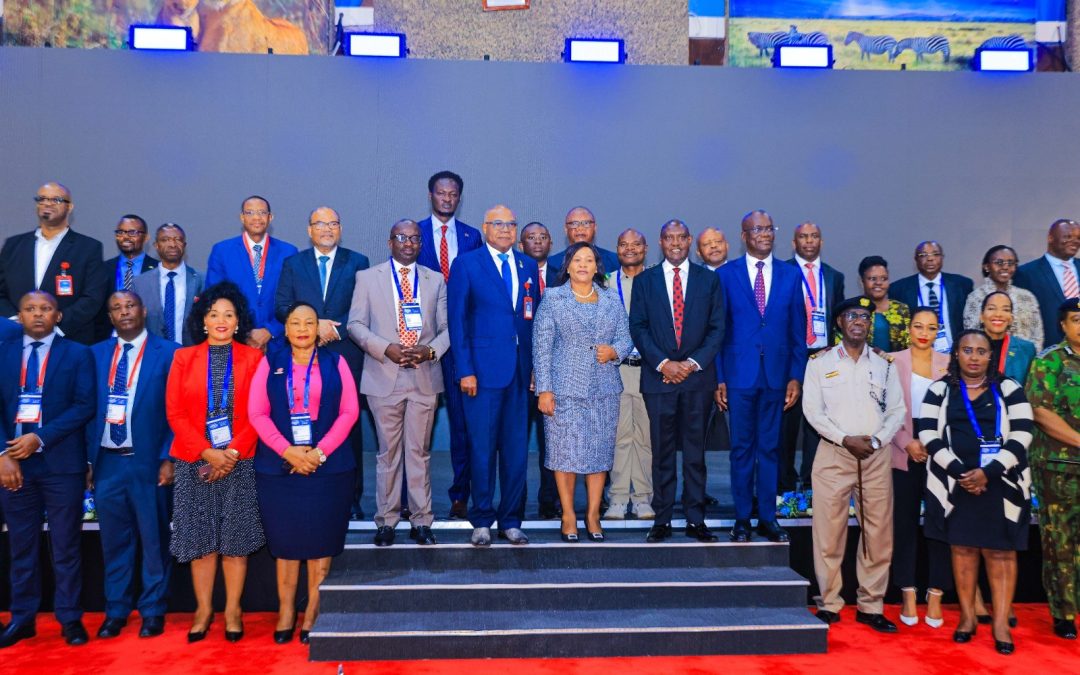
Tourism and Wildlife Cabinet Secretary Rebecca Miano called for a resilience fund and structured financing frameworks to support African countries withstand shocks, particularly in more vulnerable destinations heavily reliant on tourism.
This as tourism and wildlife stakeholders convened for the 4th Global Tourism Resilience Day Conference and Expo (GTRDCE) in Nairobi.
The three-day conference, running under the theme “Tourism Resilience in Action: From Crisis Response to Impactful Transformation,” brings together over 400 delegates and 40 expert speakers from across the world to advance practical solutions for crisis-proof tourism systems.
Addressing the conference, the Cabinet Secretary highlighted tourism’s role not only as a revenue-generating sector, but also as a critical employment platform and community development engine that requires systematic protection from external shocks.
“Kenya has committed to integrating robust tourism resilience mechanisms into national development frameworks, even as the country’s impressive post-pandemic recovery establishes it as a global leader in tourism growth and resilience”, CS Miano said.
She pointed out that, “When tourism collapses under crisis, it is not just visitor numbers that fall. It is workers’ salaries, families’ and small businesses’ survival, and entire communities’ dignity,” she added. “Our responsibility as leaders is to ensure these vulnerabilities are addressed before disasters strike, not after.”.
“Africa cannot afford to build tourism growth on foundations of hope and reactive responses. We must embed resilience into our policy architecture, infrastructure investments, workforce training and community protection systems,” she said. “This requires predictable and accessible financing mechanisms that protect vulnerable destinations before crises occur.” said the CS
On his part, Jamaica’s Tourism Minister, Edmund Bartlett who is the champion of the UN resolution establishing Global Tourism Resilience Day said the conference was founded on a transformative realization that tourism needed more than promotion and needed protection.
He noted that global consultations had revealed a shared vulnerability across destinations worldwide, underscoring that resilience is now the new currency for tourism destinations seeking stability and competitiveness.
“Resilience is the new currency for destinations, in an era of climate shocks, economic volatility, digital disruption and geopolitical uncertainty, destinations that invest in systems, partnerships and preparedness will be the ones that endure and thrive” he said.
The conference coincides with the official United Nations observance of Global Tourism Resilience Day on February 17, marking the first time the UN-designated commemoration is being celebrated on African soil.